
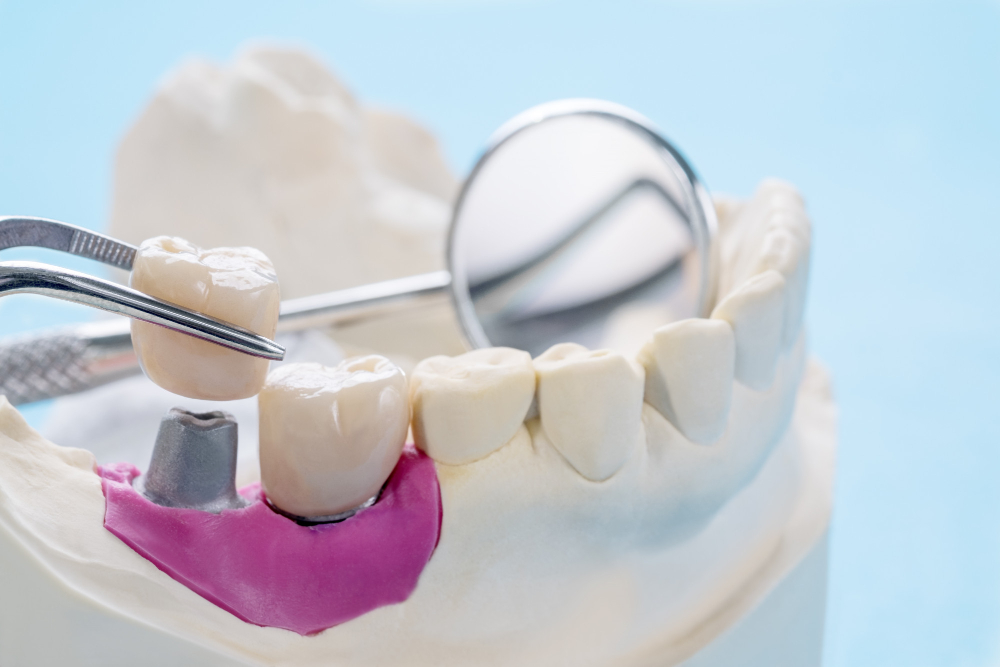
Dental crowns are a common solution for restoring damaged teeth. Many people ask about the types of dental crowns, the dental crown procedure, dental crown aftercare, and the cost of dental crowns. In this guide, you will learn everything you need to know about dental crowns. Whether you are considering a crown or just want to know more, this article will help you make informed choices.
What Are Dental Crowns?
Simply put, a dental crown is a cap that covers a tooth. It looks and feels like a natural tooth. Dentists use crowns to protect, restore, or improve the look of teeth. Often, crowns are made from strong materials like porcelain, ceramic, metal, or a mix of these. According to the American Dental Association (ADA), crowns help keep your mouth healthy and your smile bright.
Common Reasons for Dental Crowns
There are several reasons why your dentist may suggest a dental crown. For example, crowns can:
In many cases, crowns help save teeth that might otherwise need to be removed.
Types of Dental Crowns
There are different types of dental crowns. Each type has its own benefits. Your dentist will help you choose the best one for your needs. The main types include:
Because each type has pros and cons, it is important to discuss your options with your dentist.
The Dental Crown Procedure: Step-by-Step
Getting a dental crown usually takes two visits. Here is what you can expect:
Although the process is simple, your dentist will make sure you are comfortable at every step.
Benefits of Dental Crowns
Dental crowns offer many advantages. For instance, they can:
Because crowns are custom-made, they fit well and feel natural.
Aftercare Tips for Dental Crowns
Taking care of your dental crown is important. Here are some simple tips:
With good care, your crown can last many years.
Potential Risks and Complications
While dental crowns are safe, there can be some risks. For example, you might feel sensitivity to hot or cold foods. Sometimes, the crown may come loose or fall off. Rarely, you may have an allergic reaction to the materials. If you notice pain, swelling, or the crown feels loose, contact your dentist right away. Early care can prevent bigger problems.
Frequently Asked Questions
For more information, visit trusted sources like the American Dental Association or talk to your dentist.
Consult your dentist to find out if a dental crown is right for you.
