
Introduction
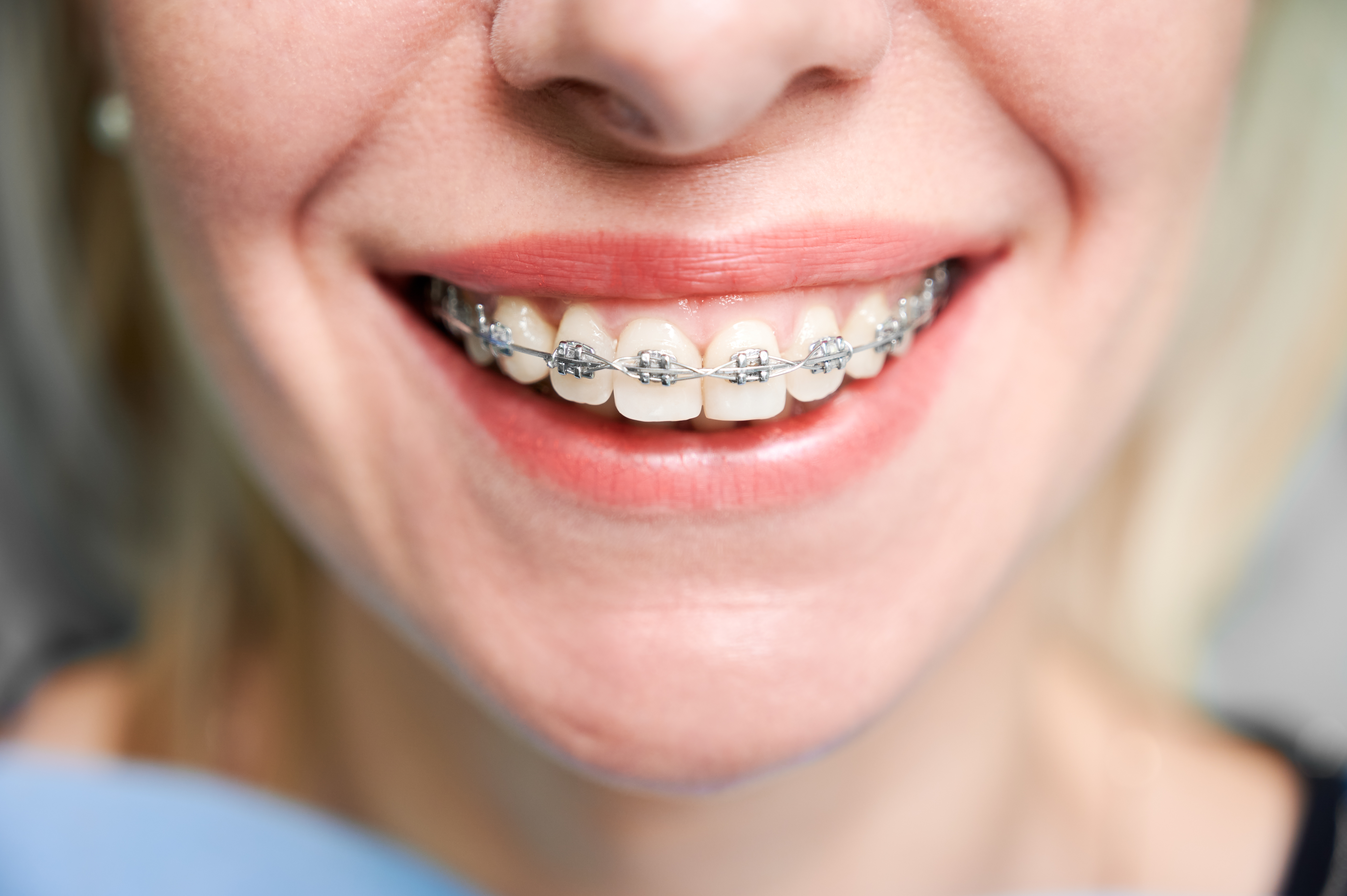
Braces are a common way to straighten teeth and improve your smile. Many people choose braces to fix crooked teeth or bite problems. In fact, braces can help both children and adults. If you are thinking about orthodontic treatment, this guide will help you understand what to expect. You will also learn about the types of dental braces, how they work, and how to care for them.
What Are Braces?
Braces are special devices that help move teeth into better positions. Usually, they are made of metal, ceramic, or clear materials. Dentists, called orthodontists, use braces to fix teeth alignment and bite issues. Over time, braces gently shift your teeth to make your smile straighter and healthier.
Common Reasons for Getting Braces
People get braces for many reasons. Some of the most common include:
For example, straight teeth are easier to clean. This can lower your risk of cavities and gum disease. According to the American Association of Orthodontists, early treatment can also prevent bigger dental problems later.
Types of Braces
Today, you have several choices for braces. Each type has its own benefits. Here are the most common options:
Your orthodontist will help you choose the best type for your needs.
How Braces Work
Braces use gentle, steady pressure to move teeth. First, brackets are attached to each tooth. Next, a wire connects the brackets. Over time, the wire is tightened to guide teeth into place. Sometimes, small rubber bands are used to help with bite correction. As a result, your teeth slowly shift to their new positions.
The Braces Procedure: What to Expect
Getting braces is a step-by-step process. Here is what usually happens:
Most people wear braces for one to three years. However, the exact time depends on your needs.
Caring for Your Braces
Proper care is important for healthy teeth during orthodontic treatment. Here are some tips:
With good care, you can prevent cavities and gum problems while wearing braces.
Benefits and Potential Risks of Braces
Braces offer many benefits. For instance, they can:
However, there are some risks. These may include:
According to the CDC, most people have a safe and successful experience with braces when they follow care instructions.
Tips for Living with Braces
Adjusting to braces can take time. Still, these tips can help:
With patience and care, you will get used to your new braces quickly.
Frequently Asked Questions About Braces
Conclusion
Braces can help you achieve a healthy, beautiful smile. They also improve your oral health and confidence. If you are thinking about braces, talk to a dental specialist. They can help you decide if orthodontic treatment is right for you.
