
What Are Dental Crowns?
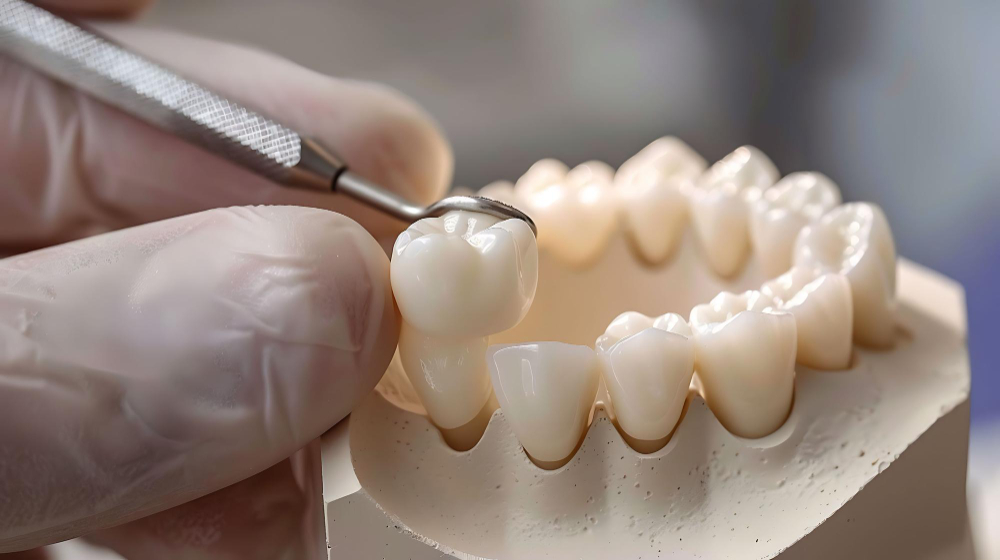
Dental crowns are custom-made caps that fit over a tooth. They cover the visible part of the tooth above the gum line. Dentists use crowns to restore teeth that are broken, weak, or worn down. In many cases, dental crowns help protect teeth after a root canal or large filling. According to the American Dental Association, crowns are a common way to save damaged teeth. Because they look and feel like natural teeth, crowns are a popular choice for many people.
Main Benefits of Dental Crowns
Dental crowns offer several advantages for your oral health. Here are the main benefits of dental crowns:
In addition, dental crowns for damaged teeth can help you chew and speak better. For many people, crowns boost confidence by improving the look of their smile. As a result, crowns play a key role in how dental crowns improve oral health.
Who Might Need a Dental Crown?
Not everyone needs a dental crown. However, your dentist may suggest one if you have:
Sometimes, children may need crowns to protect teeth at high risk of decay. If you have any of these issues, talk to your dentist about the advantages of dental crowns.
The Dental Crown Procedure: What to Expect
The dental crown procedure is simple and safe. First, your dentist examines your tooth. Next, they shape the tooth so the crown will fit. Then, they take an impression or digital scan of your tooth. While your permanent crown is made, you may get a temporary crown. At your next visit, the dentist places the permanent crown and checks the fit. Finally, they cement the crown in place. Most people find the process easy and comfortable.
Care and Maintenance Tips for Dental Crowns
Taking care of your dental crown is important. With good care, crowns can last 5 to 15 years or more. Here are some tips:
By following these steps, you can keep your crown and natural teeth healthy.
Frequently Asked Questions About Dental Crowns
Conclusion: Take the Next Step for Your Oral Health
Dental crowns offer many benefits, from protecting damaged teeth to improving your smile. Because they are strong and natural-looking, crowns are a smart choice for many people. If you think you might need a crown, consult your dentist to find out if dental crowns are right for you.
