
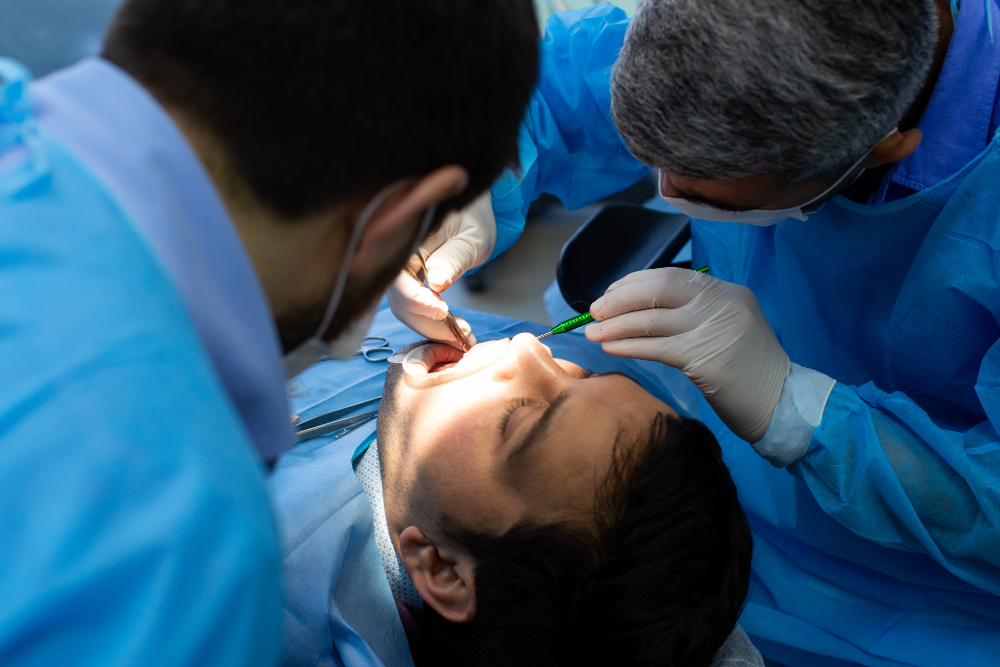
What is Full Mouth Rehabilitation?
Full mouth rehabilitation is a dental treatment that restores all teeth in your mouth. It helps improve your smile and oral health. Often, people need this when they have many dental problems at once. For example, you may have broken, worn, or missing teeth. Full mouth rehabilitation uses several dental restoration options to rebuild your teeth and gums. As a result, you can eat, speak, and smile with confidence again.
Common Symptoms and Dental Issues Requiring Full Mouth Rehabilitation
Many people experience symptoms that signal the need for full mouth rehabilitation. Sometimes, these signs are easy to notice. Other times, they develop slowly. Common symptoms and dental issues include:
If you notice these problems, you may benefit from a full mouth rehabilitation process.
Causes and Risk Factors
Several factors can lead to the need for full mouth rehabilitation. For instance, untreated cavities or gum disease can damage many teeth. In addition, accidents or injuries may break or knock out teeth. Other causes and risk factors include:
Because these factors can harm your teeth over time, early dental care is important.
Diagnosis and Assessment Process
First, your dentist will perform a full dental exam. This includes checking your teeth, gums, and jaw. Next, they may take X-rays or dental scans. These tests help your dentist see hidden problems. After that, your dentist will discuss your symptoms and health history. Sometimes, they may take photos or make models of your teeth. This careful assessment helps create a custom treatment plan just for you.
Treatment Options and Procedures Involved
Full mouth rehabilitation uses many dental restoration options. Your dentist will choose treatments based on your needs. Common procedures include:
Because each mouth is different, your dentist will explain which steps are best for you.
Benefits and Expected Outcomes
Full mouth rehabilitation offers many benefits. For example, it restores your ability to chew and speak. It also improves your smile and boosts your confidence. In addition, you may notice less pain or discomfort. Other benefits include:
Most people enjoy a better quality of life after treatment.
Recovery, Aftercare, and Lifestyle Guidance
After your full mouth rehabilitation, you will need some time to heal. Your dentist will give you clear aftercare instructions. For example, you may need to eat soft foods at first. Also, you should brush and floss gently. Regular dental visits are important for checking your progress. To keep your new smile healthy, follow these tips:
Because good habits help your results last, always follow your dentist’s advice.
Prevention Tips for Long-Term Oral Health
Even after full mouth rehabilitation, you should protect your teeth. Here are some simple prevention tips:
Because prevention is easier than treatment, these steps can help you keep your smile healthy for years.
Conclusion
Full mouth rehabilitation can restore your smile and improve your oral health. If you have many dental problems, this treatment may be right for you. Consult a qualified dentist to discuss if full mouth rehabilitation is right for you.
