
Introduction
Many people want a bright, even smile. However, chips and gaps in teeth can make you feel self-conscious. Veneers for chips and gaps offer a simple solution. Veneers are thin shells that cover the front of your teeth. They help improve the look of your smile. In this guide, you will learn how veneers work, their benefits, and what to expect from the process.
Understanding Dental Chips and Gaps
Chipped teeth are teeth with small pieces broken off. Gaps are spaces between teeth. Both can affect your smile and confidence. Often, chips happen from biting hard foods, accidents, or grinding your teeth. Gaps may be caused by genetics, missing teeth, or habits like thumb-sucking. While some people are born with gaps, others develop them over time. Either way, these issues can make cleaning teeth harder and may lead to other dental problems.
How Veneers Work to Correct Chips and Gaps
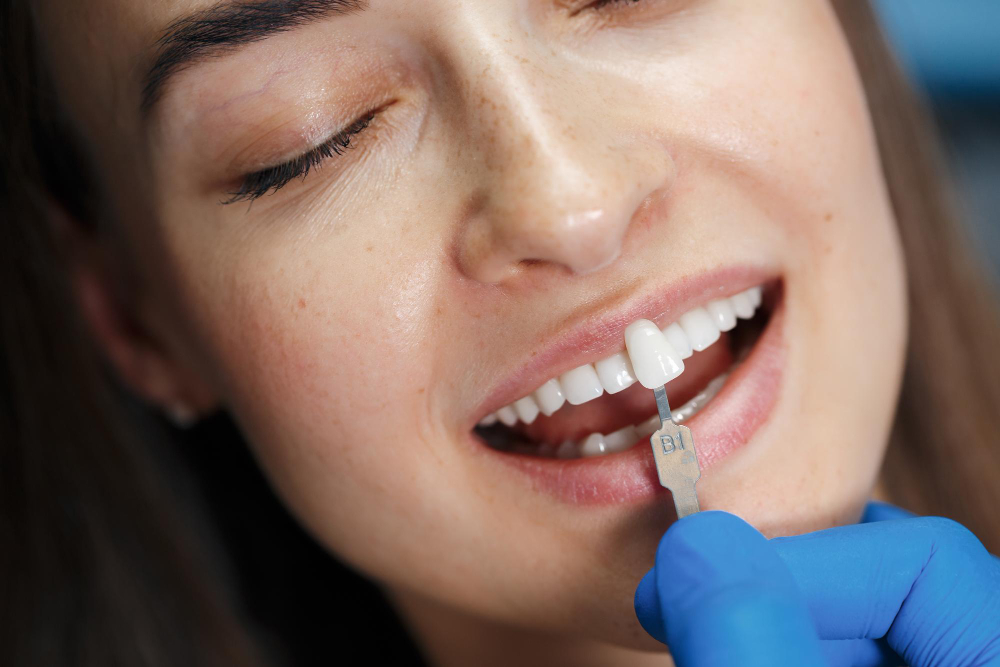
Veneers for chipped teeth and veneers for gaps are custom-made to fit your mouth. First, your dentist takes a mold of your teeth. Then, thin shells, usually made from porcelain or resin, are created to match your natural teeth. When placed, veneers cover chips and close gaps. As a result, your teeth look even and smooth. This process does not require removing much of your natural tooth, making it a gentle option.
Benefits of Veneers for Chips and Gaps
Veneers offer many advantages for fixing dental gaps and chips. Some key benefits include:
The Veneer Procedure: Step-by-Step
Getting cosmetic dental veneers is a simple process. Here is what you can expect:
Usually, the whole process takes two to three visits to a cosmetic dentist near you.
Aftercare and Longevity of Veneers
Proper care helps your veneers last longer. Most veneers last 10 to 15 years or more. To keep them looking great, follow these tips:
With good habits, your veneers will stay bright and strong for years.
Risks and Considerations
While veneers are safe, there are some things to consider. First, the process is not reversible because a small amount of enamel is removed. Also, veneers can chip or crack if you bite hard objects. Sometimes, your teeth may feel sensitive after the procedure. In rare cases, veneers may come loose and need repair. It is important to talk to your dentist about your options and any concerns you have. According to the American Dental Association, veneers are a trusted way to improve your smile when done by a qualified dentist.
Frequently Asked Questions
Conclusion and Call-to-Action
In summary, veneers for chips and gaps can transform your smile quickly and safely. They offer a natural look, boost your confidence, and are easy to care for. If you have chipped teeth or gaps, veneers may be the right choice for you. Consult a qualified dentist to see if veneers are right for correcting your chips and gaps.
