What Is Sinus Lift Surgery?
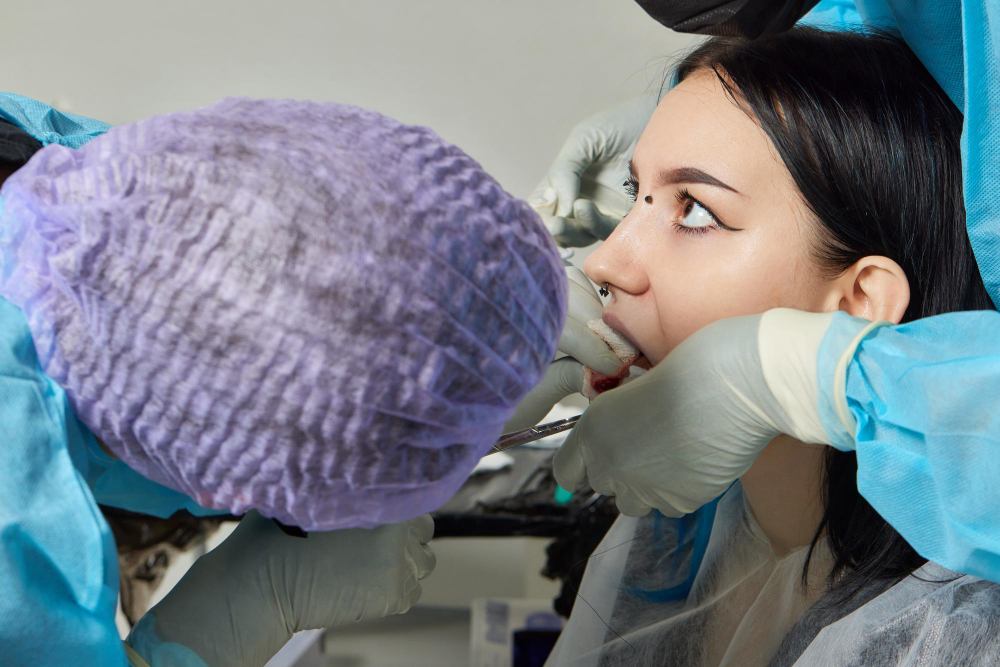
Sinus lift surgery is a special dental procedure. It helps prepare your upper jaw for dental implants. During this surgery, a dentist adds bone to the area near your back teeth. This area is close to your sinus cavity. Because of this, the surgery is called a sinus lift. The main goal is to create enough bone for a strong dental implant.
Why Is Sinus Lift Surgery Needed Before Some Dental Implants?
Sometimes, people do not have enough bone in their upper jaw. This can happen for many reasons. For example, you may have lost bone after losing teeth. Or, your sinus cavity may be too close to your jaw. In these cases, a dental implant cannot be placed safely. Therefore, a sinus lift procedure is needed. It helps create a solid base for the implant. This step is important for long-term success.
Who Needs a Sinus Lift?
Not everyone needs a sinus lift before getting dental implants. However, you may need one if:
If you are unsure, your dentist will check with X-rays or scans. This helps decide if a bone graft for dental implants is needed.
How Is Sinus Lift Surgery Performed?
Sinus lift surgery is usually done by a dental specialist. The steps often include:
The bone graft helps your jaw grow new bone. Over several months, this bone becomes strong enough for dental implant preparation. According to the American Association of Oral and Maxillofacial Surgeons, most people heal well after this procedure.
Benefits and Risks of Sinus Lift Surgery
Sinus lift surgery offers many benefits. For example, it allows more people to get dental implants. It also helps implants last longer. However, like any surgery, there are some risks. These include:
Most people recover without problems. Still, it is important to follow your dentist’s advice. The CDC and dental journals note that risks are low when the procedure is done by trained professionals.
Recovery and Aftercare Tips
After sinus lift surgery, you will need to take care of your mouth. Here are some helpful tips:
Most people return to normal activities within a week. However, full healing of the bone may take several months. Your dentist will check your progress during follow-up visits.
Prevention and Long-Term Oral Health
Good oral health can help prevent the need for extra procedures. For example, brushing and flossing daily keeps your gums and teeth healthy. Regular dental checkups also help spot problems early. If you lose a tooth, talk to your dentist soon. Early dental implant preparation may reduce the need for a sinus lift. In the long run, caring for your teeth and gums supports your overall health.
Sinus lift surgery is a safe and helpful step for many people who want dental implants. If you are thinking about implants, consult a dental specialist to find out if sinus lift surgery is right for you.
