
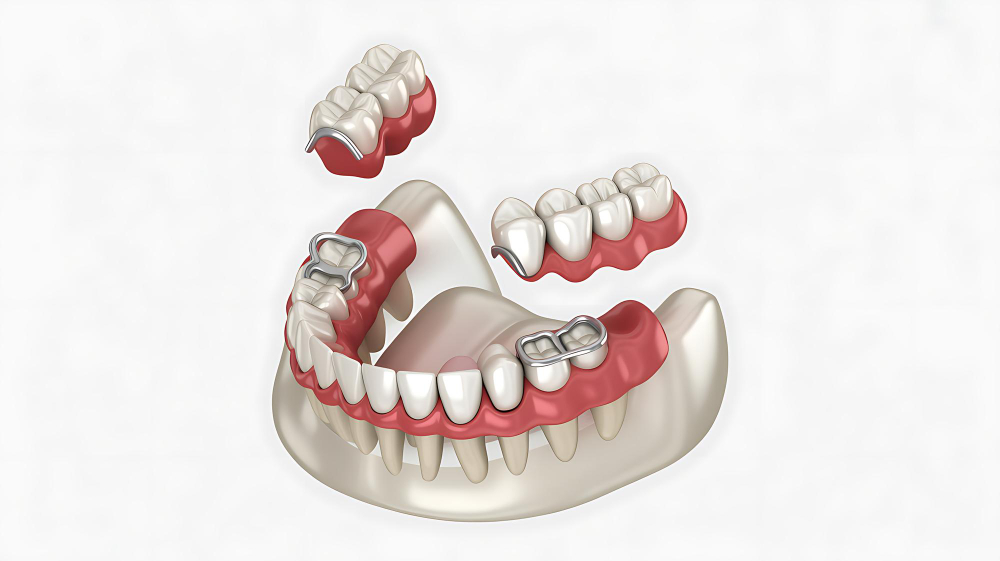
What Are Fixed Partial Dentures?
Fixed partial dentures, also called dental bridges, are a common tooth replacement option. They help fill gaps left by missing teeth. Dentists use them to restore your smile and chewing ability. Unlike removable dentures, fixed partial dentures stay in place. They are attached to nearby healthy teeth or dental implants. As a result, you do not need to take them out for cleaning. Fixed partial dentures are a key part of restorative dentistry. They help keep your mouth healthy and your bite even.
Who Needs Fixed Partial Dentures?
Many people benefit from fixed partial dentures. If you have lost one or more teeth, you may be a good candidate. For example, people who want a stable, natural-looking solution often choose dental bridges. Dentists may suggest them if:
However, your dentist will check your mouth and discuss the best options for you.
Types of Fixed Partial Dentures
There are several types of fixed partial dentures. Each type fits different needs. Some common types include:
Your dentist will help you choose the best type for your situation.
Benefits of Fixed Partial Dentures
Fixed partial dentures offer many advantages. For instance, they:
Because they are fixed, you do not need to remove them daily. This makes them easy to use and maintain.
How Are Fixed Partial Dentures Placed?
The process for getting fixed partial dentures usually involves several steps. Here is what you can expect:
Sometimes, you may get a temporary bridge while waiting for the final one.
Care and Maintenance Tips
Proper care keeps your fixed partial dentures in good shape. To help them last longer, follow these tips:
With good care, your dental bridge can last many years.
Potential Risks and Considerations
While fixed partial dentures are safe, there are some risks. For example, you may notice:
However, most problems can be avoided with regular dental care. Always tell your dentist if you notice pain or changes in your mouth.
Frequently Asked Questions
Conclusion
In summary, fixed partial dentures are a reliable way to replace missing teeth. They help restore your smile and improve your oral health. If you are considering tooth replacement options, consult a qualified dentist to find out if fixed partial dentures are right for you.
