
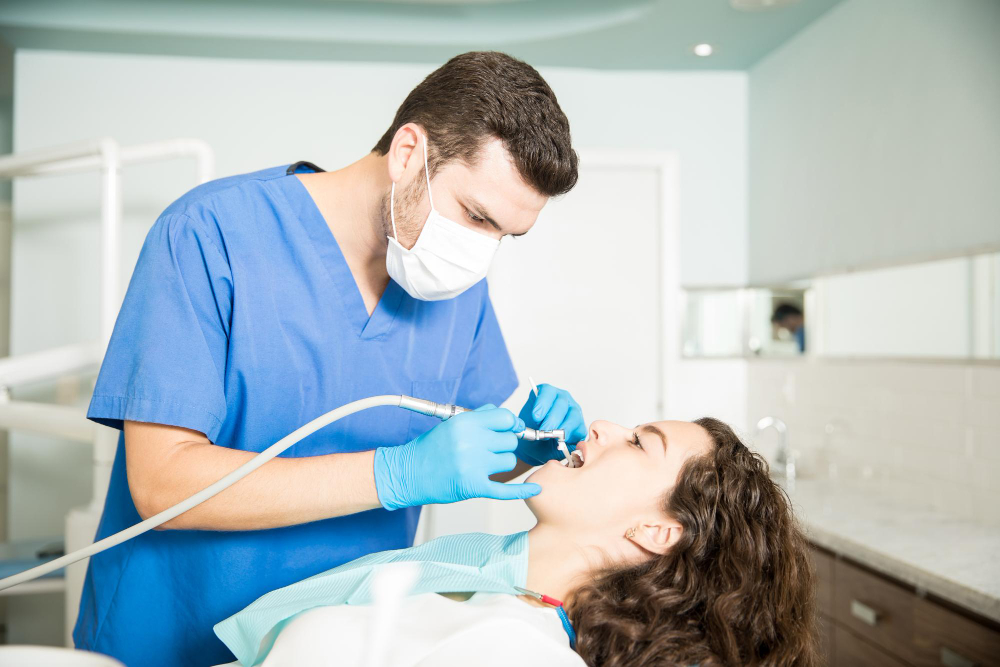
What Is Teeth Cleaning?
Teeth cleaning is a simple dental procedure that removes plaque and tartar from your teeth. Usually, a dental professional performs this treatment. In fact, teeth cleaning helps keep your mouth healthy and your smile bright. While brushing and flossing at home are important, professional teeth cleaning reaches areas you might miss. For this reason, dentists recommend regular teeth cleaning for everyone. Not only does it prevent tooth decay, but it also helps avoid gum disease. According to the CDC, regular dental cleanings are key for good oral health.
Why Is Teeth Cleaning Important?
First, teeth cleaning removes harmful bacteria that cause cavities and gum problems. Over time, plaque hardens into tartar, which you cannot remove with brushing alone. Therefore, professional teeth cleaning is necessary. Additionally, clean teeth help prevent bad breath. If you skip regular cleanings, you may face tooth loss or painful infections. The World Health Organization states that good oral hygiene, including teeth cleaning, lowers the risk of many dental issues. So, regular cleanings protect both your teeth and gums.
How Is Professional Teeth Cleaning Performed?
Professional teeth cleaning is safe and simple. Here is what usually happens during a dental cleaning:
Most people find the process comfortable. However, you might feel mild pressure or tickling from the tools. The whole procedure usually takes about 30 to 60 minutes.
Benefits of Regular Teeth Cleaning
There are many dental cleaning benefits. For example, regular teeth cleaning helps:
In addition, clean teeth support your overall health. Studies show that good oral hygiene may reduce the risk of heart disease and diabetes. Therefore, regular teeth cleaning is a smart choice for your health.
Aftercare Tips Following Teeth Cleaning
After your teeth cleaning, you may notice your teeth feel smoother and cleaner. To keep your mouth healthy, follow these simple aftercare tips:
If your gums feel sensitive, this should go away in a day or two. However, if you have pain or bleeding that lasts, contact your dentist.
Frequently Asked Questions About Teeth Cleaning
Conclusion and Next Steps
In summary, teeth cleaning is a vital part of keeping your mouth healthy. Regular professional teeth cleaning removes harmful plaque, prevents dental problems, and keeps your smile bright. Remember, good aftercare helps maintain these benefits. For the best results, follow your dentist’s advice and schedule cleanings as recommended. Consult a dental professional for personalized advice on teeth cleaning.
